Understanding errordomain=nscocoaerrordomain&errormessage=could not find the specified shortcut.&errorcode=4

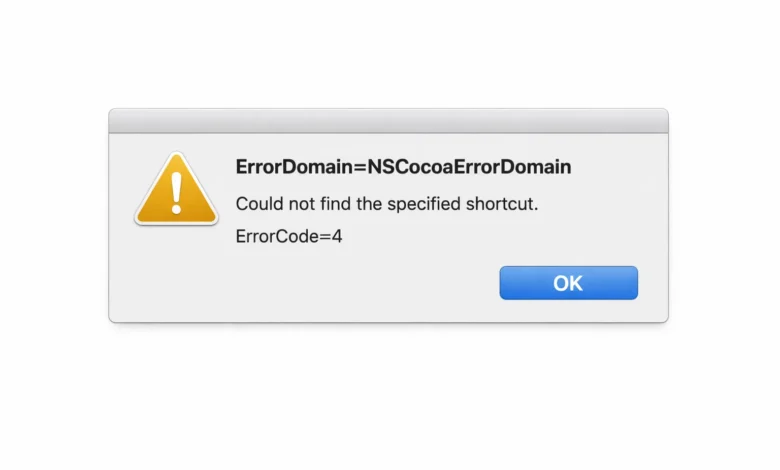
What Is errordomain=nscocoaerrordomain&errormessage=could not find the specified shortcut.&errorcode=4?
In the world of Apple devices and macOS or iOS applications, users often encounter a range of errors that can be confusing and frustrating. One such error errordomain=nscocoaerrordomain&errormessage=could not find the specified shortcut.&errorcode=4. This error message usually appears when a system or app attempts to execute a specific shortcut or automated workflow that either does not exist, has been removed, or is corrupted. While the message might seem technical and intimidating, understanding its origin and meaning can help in troubleshooting effectively.


The error originates from Apple’s Core Data framework, which uses the Cocoa API. The NSCocoaErrorDomain refers to a set of standard error codes used in macOS and iOS applications to indicate issues related to Core Data operations. When combined with the message “could not find the specified shortcut” and the error code 4, it specifically signals that the app or system cannot locate the requested shortcut within the Shortcuts app or automated workflows. This is particularly common when users update their devices or remove shortcuts without realizing that other apps rely on them.
Common Causes of errordomain=nscocoaerrordomain&errormessage=could not find the specified shortcut.&errorcode=4
Understanding the underlying causes of this error can prevent recurring problems and help users apply the right fixes. One of the most frequent causes is an outdated or missing shortcut. Shortcuts in Apple devices act as mini-programs designed to automate tasks, such as sending messages, opening apps, or performing complex workflows. If a shortcut is deleted or renamed, any app or process that depends on it will trigger this error.
Another common cause is corrupted shortcut data. Sometimes, shortcuts become partially corrupted due to device crashes, failed app updates, or synchronization issues across multiple Apple devices. When the system attempts to access a corrupted shortcut, it fails to find the necessary data, resulting in the error message. Additionally, conflicts between apps that access the Shortcuts framework can sometimes prevent the system from locating the required shortcut, especially if permissions or security settings restrict access.
User error is also a factor. Many users experiment with creating shortcuts and may unintentionally break existing workflows. For example, moving shortcuts between devices without proper syncing or failing to grant necessary permissions can cause the system to report that a shortcut cannot be found. Overall, this error is generally related to missing, corrupted, or inaccessible shortcuts rather than a systemic failure of the device itself.
How errordomain=nscocoaerrordomain&errormessage=could not find the specified shortcut.&errorcode=4 Impacts Users
The impact of encountering errordomain=nscocoaerrordomain&errormessage=could not find the specified shortcut.&errorcode=4 varies depending on the context in which it appears. For individuals who heavily rely on automation and shortcuts for productivity, this error can be disruptive. Tasks that were previously automated, such as sending messages, creating reminders, or controlling smart home devices, may fail to execute. This disruption can affect workflow efficiency and user confidence in the reliability of their device.
For developers and tech professionals, this error indicates a failure in handling Core Data operations correctly. It may suggest that their app is referencing a shortcut that no longer exists or was improperly configured. This not only affects app functionality but can also lead to negative user experiences and potential app reviews. In corporate or educational settings, where devices are managed centrally, encountering this error across multiple devices can highlight gaps in device management or shortcut deployment processes.
On the system level, repeated occurrences of this error may indicate a larger issue with the Shortcuts framework, such as data corruption or synchronization failures. While it does not typically lead to system crashes, ignoring it can cause ongoing interruptions and may complicate troubleshooting future errors related to automation and workflow processes.
Troubleshooting errordomain=nscocoaerrordomain&errormessage=could not find the specified shortcut.&errorcode=4
Resolving errordomain=nscocoaerrordomain&errormessage=could not find the specified shortcut.&errorcode=4 usually involves a combination of verifying the existence of the shortcut, correcting any data corruption, and ensuring proper system permissions. The first step is to open the Shortcuts app on your device and confirm that the shortcut in question exists. If it has been removed or renamed, recreating it with the exact name and parameters often resolves the issue.
Another effective approach is to reset shortcut permissions. On iOS or macOS, some shortcuts require explicit permissions to access other apps, data, or system services. Checking these permissions in the settings and re-enabling access can restore functionality and prevent the error from recurring. Additionally, restarting the device after making changes to shortcuts or permissions can refresh the system’s Core Data references and eliminate lingering errors.
If the error persists, it may indicate corrupted shortcut data. In such cases, exporting and re-importing shortcuts can help. Users can back up existing shortcuts to iCloud or local storage, delete the problematic shortcut, and then restore it from the backup. This process often clears data inconsistencies that trigger NSCocoaErrorDomain errors. For developers, examining Core Data logs and app references to shortcuts can identify misconfigurations or missing dependencies, allowing them to update their apps accordingly.
Preventing errordomain=nscocoaerrordomain&errormessage=could not find the specified shortcut.&errorcode=4
Prevention is always better than troubleshooting, especially when it comes to avoiding recurrent errors like errordomain=nscocoaerrordomain&errormessage=could not find the specified shortcut.&errorcode=4. One key preventive measure is maintaining organized and well-documented shortcuts. Users should regularly review shortcuts, remove obsolete ones, and ensure that workflows relying on specific shortcuts are updated whenever changes occur.
Synchronizing shortcuts across devices is another crucial step. Apple devices rely on iCloud to keep shortcuts consistent between devices, and failure to sync properly can lead to missing shortcuts or data mismatches. Regularly checking iCloud settings, ensuring automatic updates are enabled, and confirming that all devices have access to the same shortcuts can significantly reduce the likelihood of encountering this error.
For developers, testing shortcuts thoroughly before deployment is essential. Ensuring that all referenced shortcuts exist and are accessible in the target environment helps prevent errors in production. Additionally, providing clear instructions and error handling within apps that rely on shortcuts can improve the user experience, guiding them through resolving missing shortcut issues before they escalate into system-wide disruptions.
The Role of Updates in Resolving Shortcut Errors
Software updates play a vital role in preventing and resolving errors related to errordomain=nscocoaerrordomain&errormessage=could not find the specified shortcut.&errorcode=4. Apple regularly releases updates to iOS, macOS, and the Shortcuts app, which often include bug fixes, improvements to the Core Data framework, and enhanced compatibility for automated workflows. Running the latest version of the operating system ensures that users benefit from these fixes and reduces the likelihood of encountering errors caused by outdated software.
Updates also help address compatibility issues with third-party apps. Many applications integrate with Apple’s Shortcuts framework to enhance automation capabilities. If these apps are not updated in line with system updates, references to certain shortcuts may fail, triggering the error. Keeping both system software and apps up to date ensures that dependencies remain intact and that shortcuts function as expected.
Advanced Troubleshooting for Persistent Errors
For users and developers who continue to experience errordomain=nscocoaerrordomain&errormessage=could not find the specified shortcut.&errorcode=4 despite following standard troubleshooting steps, advanced techniques may be required. One approach involves clearing cached data related to shortcuts. On macOS, this might involve deleting preference files or resetting Core Data caches to eliminate corrupted references. On iOS, offloading the Shortcuts app and reinstalling it can achieve similar results without affecting saved workflows stored in iCloud.
For developers, diving into Core Data debugging tools and logs provides insights into why specific shortcuts cannot be found. By tracing database queries and examining app interactions with the Shortcuts framework, developers can pinpoint missing references or misconfigured parameters. Implementing robust error handling within apps can also prevent this error from impacting users, allowing apps to notify users of missing shortcuts and suggest corrective actions instead of crashing or halting processes.
Understanding Error Code 4 in Context
The errorcode=4 portion of the message is particularly important. In the NSCocoaErrorDomain, error codes are numerical identifiers that correspond to specific types of issues. Error code 4 typically indicates a “file not found” or “object not found” situation within the Core Data or Cocoa framework. This aligns with the message stating that the system could not find the specified shortcut. Understanding this numeric code helps developers diagnose problems quickly and allows users to recognize that the error is not related to hardware failure but to missing or inaccessible data.
Recognizing the connection between the numeric error code, the error domain, and the descriptive message helps in forming a comprehensive troubleshooting strategy. Users and developers can combine knowledge of these components to systematically identify missing shortcuts, verify permissions, and resolve workflow issues.
Conclusion
Encountering errordomain=nscocoaerrordomain&errormessage=could not find the specified shortcut.&errorcode=4 can be frustrating, but it is generally a manageable error related to missing, corrupted, or inaccessible shortcuts. By understanding the origin of the error, its common causes, and the strategies for troubleshooting, users can restore their workflows and prevent future occurrences. Regular maintenance of shortcuts, software updates, proper permissions, and careful management of automation workflows are key to avoiding this issue. Developers can also benefit from understanding the underlying Core Data framework and incorporating proper error handling to ensure smooth user experiences. Ultimately, knowledge and proactive management are the best tools for addressing this persistent yet solvable error.