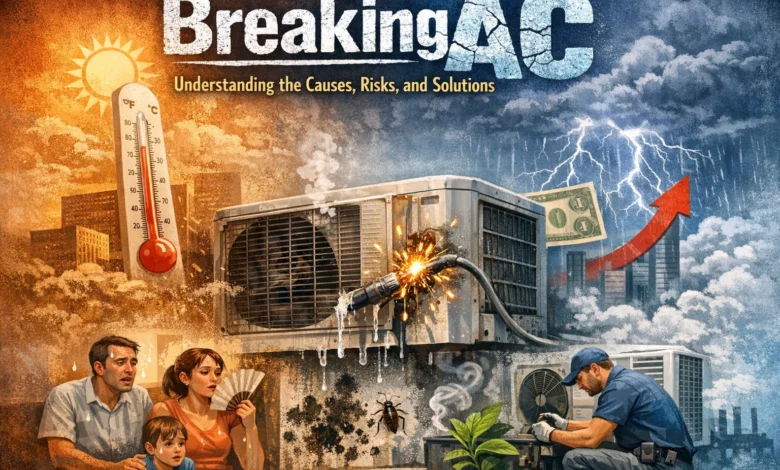
Introduction to Breaking AC
Air conditioning units have become essential components of modern homes and workplaces, providing comfort and relief from extreme heat. However, like any mechanical system, air conditioners are prone to malfunctions and failures. One term that is commonly used in this context is “breaking AC”, which refers to the process of an air conditioning system ceasing to function correctly or completely stopping. Understanding why an AC breaks, the risks involved, and the potential solutions is crucial for both homeowners and facility managers. In this article, we explore the various aspects of a breaking AC, delving into its causes, signs, consequences, and maintenance strategies to prevent such issues.

Causes of a Breaking AC
A breaking AC does not happen suddenly without reason. Several factors contribute to the malfunctioning of an air conditioning system, ranging from technical issues to environmental conditions. One of the most common causes is poor maintenance. When air conditioners are not regularly cleaned, serviced, or inspected, dirt, dust, and debris accumulate in filters, coils, and ducts. This accumulation restricts airflow, reduces efficiency, and can ultimately lead to overheating or failure of internal components.
Another major factor is electrical issues. AC units depend on a complex network of electrical connections and components such as capacitors, fuses, and circuit boards. A sudden power surge or faulty wiring can damage these parts, causing the system to stop working. Mechanical failures, such as a broken compressor, malfunctioning fan motors, or refrigerant leaks, are also frequent culprits. The compressor is often considered the heart of the AC, and its failure can render the system entirely inoperative.
Environmental conditions and improper installation also play a role in a breaking AC. For instance, an AC unit installed in direct sunlight without adequate shading may overheat, while units placed in areas with poor ventilation may struggle to dissipate heat. Additionally, using the wrong size of AC for a given space can strain the system, making it more susceptible to breakdowns. Age is another factor; older units naturally deteriorate over time, and components become more likely to fail as the system reaches the end of its life cycle.
Signs That an AC Is Breaking
Identifying the signs of a breaking AC early can prevent more serious damage and costly repairs. One of the first indicators is a noticeable decrease in cooling efficiency. If an air conditioner is running continuously without adequately cooling the space, it may indicate a problem with refrigerant levels or airflow obstructions. Strange noises, such as rattling, buzzing, or grinding, are also warning signals. These sounds often point to mechanical issues, loose components, or failing motors that require immediate attention.
Another sign of a breaking AC is unusual odors. A musty or burning smell can indicate mold growth within the system or electrical problems, both of which can be harmful if not addressed promptly. Additionally, frequent cycling, where the AC turns on and off rapidly, may suggest a malfunctioning thermostat, short-circuited components, or a clogged air filter. Sudden spikes in energy bills can also signal that the AC is struggling to function efficiently, consuming more electricity than normal. By paying attention to these warning signs, homeowners can take proactive steps to prevent complete system failure.
Consequences of a Breaking AC
When an AC breaks, it can lead to a wide range of consequences beyond mere discomfort. In extreme weather conditions, especially during heatwaves, a non-functioning air conditioner can pose serious health risks. Prolonged exposure to high temperatures can result in heat exhaustion or heatstroke, particularly for vulnerable populations such as children, the elderly, and individuals with pre-existing health conditions. Moreover, a broken AC can contribute to poor indoor air quality. Without proper ventilation and cooling, humidity levels rise, creating an environment conducive to mold and mildew growth. These fungi can trigger allergies, respiratory problems, and other health issues.
Financial consequences are another significant concern. Repairing or replacing a broken AC can be costly, especially if the issue is severe or involves critical components like the compressor. Additionally, a malfunctioning unit consumes more electricity, leading to higher utility bills. For businesses and commercial properties, a breaking AC can disrupt operations, affect employee productivity, and damage sensitive equipment that relies on controlled temperatures. Beyond immediate financial impacts, neglecting AC maintenance and repairs can also reduce the lifespan of the unit, making replacement necessary much sooner than expected.
Preventive Measures to Avoid a Breaking AC
Prevention is always better than repair, and taking proactive steps can significantly reduce the risk of a breaking AC. Regular maintenance is paramount. Scheduling annual or biannual inspections by certified technicians ensures that components are cleaned, lubricated, and checked for wear and tear. Filters should be cleaned or replaced monthly, especially in environments with high dust or pollen levels, to maintain airflow and prevent strain on the system. Keeping coils clean and ensuring the refrigerant is at optimal levels also prevents undue stress on the compressor and other mechanical parts.
Proper usage and monitoring can also prevent an AC from breaking. Setting thermostats to moderate temperatures instead of extreme highs or lows reduces stress on the system. Avoiding running the AC continuously without breaks and ensuring that windows and doors are properly sealed can improve efficiency. It is equally important to ensure the system is installed correctly, with the right size and type for the specific space. Using professional installation services rather than DIY methods guarantees that the AC operates under optimal conditions.
Environmental adjustments can further safeguard against breakdowns. Providing shade for outdoor units, ensuring proper drainage of condensate lines, and avoiding placing obstructions near vents helps maintain efficient airflow and prevents overheating. Homeowners can also invest in smart thermostats or monitoring devices that alert them to abnormal performance or potential issues before they escalate into full-blown system failures.
Repairing a Breaking AC
Despite preventive measures, AC systems can still break due to unforeseen circumstances or natural wear and tear. Prompt and proper repair is crucial to restoring comfort and preventing further damage. The first step in repairing a breaking AC is diagnosing the issue accurately. Technicians often use diagnostic tools to assess electrical components, refrigerant levels, and airflow patterns to pinpoint the exact problem. Once identified, repairs can range from simple fixes, such as replacing filters, fuses, or capacitors, to more complex interventions like repairing or replacing compressors and fan motors.
It is essential to address minor issues quickly to prevent them from escalating. For example, a refrigerant leak left unchecked can damage the compressor, requiring a more extensive and expensive repair. Similarly, ignoring unusual noises or odors can lead to component failure or safety hazards. For major repairs or replacements, consulting licensed professionals ensures that work is performed safely and according to manufacturer specifications. Attempting complex repairs without adequate knowledge can worsen the problem or void warranties.
Upgrading and Replacing an AC System
In some cases, repairing a breaking AC may not be cost-effective, especially for older units. Upgrading or replacing the system can provide long-term benefits, including improved efficiency, lower energy bills, and enhanced comfort. Modern air conditioners are equipped with advanced technologies, such as inverter compressors, energy-efficient components, and smart controls that optimize performance while minimizing electricity consumption. When replacing an AC, selecting the right size and type for the space is critical to ensure optimal cooling and longevity.
Proper disposal of old AC units is equally important. Refrigerants used in older systems can be harmful to the environment if released improperly, and components like compressors and motors may contain materials that require specialized handling. Professional technicians can safely remove and recycle these components, ensuring compliance with environmental regulations while reducing waste.
The Role of Technology in Preventing Breaking AC
Advancements in technology have made it easier to prevent AC breakdowns. Smart thermostats and connected devices allow homeowners to monitor system performance in real-time. These technologies can alert users to potential issues, such as abnormal energy consumption, irregular temperature fluctuations, or sensor malfunctions, before they develop into serious problems. Additionally, predictive maintenance tools powered by artificial intelligence can analyze patterns in system operation and recommend timely maintenance, reducing the likelihood of a sudden breakdown.
Technology also facilitates more efficient repair processes. Diagnostic software and tools enable technicians to identify issues accurately and quickly, reducing downtime and repair costs. As AC systems continue to evolve, integrating technology into their operation and maintenance becomes an increasingly important strategy for avoiding the inconvenience and hazards of a breaking AC.
Conclusion
A breaking AC can be a significant source of discomfort, financial burden, and health risk, particularly in regions with extreme temperatures. Understanding the causes, recognizing early warning signs, and taking proactive preventive measures are essential for maintaining a reliable and efficient air conditioning system. Whether it involves regular maintenance, proper usage, prompt repairs, or upgrading to modern technology, addressing the risks associated with a breaking AC ensures that homes and workplaces remain safe, comfortable, and energy-efficient. By investing in care and vigilance, individuals can extend the lifespan of their AC units and avoid the challenges that come with a sudden system failure.
you may also read
errordomain=nscocoaerrordomain&errormessage=could not find the specified shortcut.&errorcode=4