Epic Seven Tier List: A Complete Guide to Understanding Hero Power and Meta Shifts

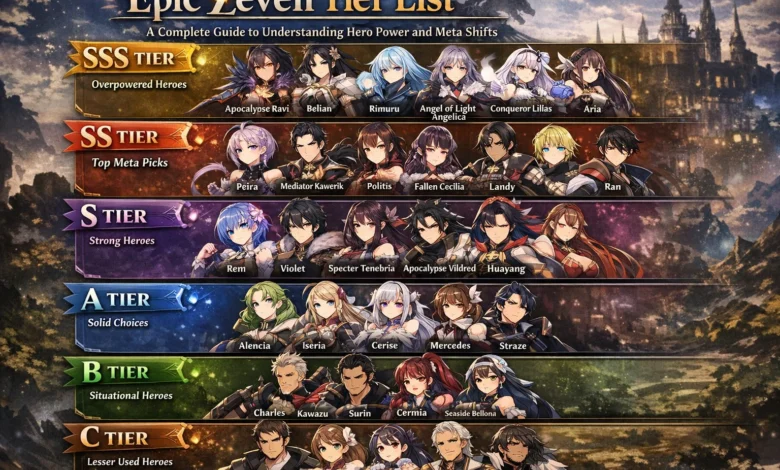
The Epic Seven tier list is one of the most discussed and searched topics among players of this popular mobile role-playing game. With its deep combat system, visually stunning animations, and constantly evolving hero balance, Epic Seven requires players to make smart decisions when building teams. A tier list helps simplify those decisions by offering a clear view of which heroes currently perform best in different areas of the game. However, understanding a tier list goes far beyond simply knowing who is ranked at the top. It involves recognizing why certain heroes shine, how the meta changes, and how personal playstyle can influence the value of each character.

Understanding What an Epic Seven Tier List Represents
An Epic Seven tier list is essentially a snapshot of the game’s current balance. It reflects how heroes perform in the present meta across multiple game modes such as PvE content, Arena battles, Guild War, and Real-Time Arena. Heroes are usually ranked based on their effectiveness, versatility, and overall impact in battles. This ranking is influenced by recent balance patches, new hero releases, and shifts in player strategies. As a result, a tier list is never permanent and should always be viewed as a flexible guide rather than a strict rulebook.
What makes the Epic Seven tier list especially interesting is how diverse the game modes are. A hero that dominates PvE farming stages may not perform as well in competitive PvP, while a defensive Arena unit might struggle in fast-paced story progression. This complexity means that a tier list must account for context, and players benefit most when they understand why a hero is ranked highly rather than blindly following rankings.
The Role of Meta in the Epic Seven Tier List
The meta plays a central role in shaping the Epic Seven tier list. Meta refers to the most effective strategies, team compositions, and heroes that dominate at a given time. When developers introduce balance updates or new mechanics, the meta can shift dramatically. Heroes that were once considered average may suddenly rise in power, while previously dominant characters might fall behind. This constant evolution keeps the game fresh and ensures that the tier list must be updated regularly.
In Epic Seven, the meta often revolves around speed control, debuffs, survivability, and turn manipulation. When a particular strategy becomes popular, heroes that counter it naturally climb higher in the tier list. For example, if fast-clearing teams dominate PvP, heroes with strong defensive tools or turn disruption become more valuable. Understanding these trends allows players to anticipate changes in the tier list and prepare their rosters accordingly.
PvE Performance and Tier Placement
PvE content is one of the main factors influencing the Epic Seven tier list. Story chapters, Hunts, Abyss floors, and special events all require heroes that can handle sustained fights and consistent damage output. Heroes with strong AoE abilities, reliable debuffs, and self-sustain often rank highly for PvE because they make progression smoother and more efficient. These heroes are especially valuable for newer players who want to clear content without excessive investment.
In PvE-focused tier discussions, consistency is often more important than raw damage. A hero that performs well across multiple PvE modes tends to rank higher than one that excels in only a single area. This is why heroes with flexible skill sets and low gear requirements are frequently highlighted in the Epic Seven tier list. Their ability to adapt to different challenges makes them long-term assets for any account.
PvP Influence on the Epic Seven Tier List
PvP content has a massive impact on how heroes are ranked in the Epic Seven tier list. Arena, Guild War, and Real-Time Arena emphasize speed, synergy, and precise timing. Heroes that can control the flow of battle, disrupt enemy plans, or eliminate key targets quickly often rise to the top of PvP-focused tier rankings. These heroes may require higher investment, but their impact can be game-changing at higher levels of competition.
In PvP, the tier list is heavily influenced by popular team compositions. When a certain strategy becomes dominant, heroes that enable or counter that strategy gain value. This dynamic environment means that PvP tier placements can shift more rapidly than PvE rankings. Players who actively participate in competitive modes should pay close attention to these changes when referencing the Epic Seven tier list.
Gear and Investment Considerations
One important aspect often overlooked in discussions about the Epic Seven tier list is gear dependency. Some heroes are incredibly powerful but require exceptional gear to perform at their best. Others may have lower ceilings but are effective even with average equipment. Tier lists typically assume optimal or near-optimal builds, which may not reflect the experience of every player. This is why personal account progression should always be considered when evaluating tier rankings.
Investment also plays a key role in determining a hero’s true value. Awakening levels, skill enhancements, and exclusive equipment can significantly alter a hero’s performance. A character ranked slightly lower on the Epic Seven tier list might outperform a higher-ranked hero if they are more fully invested or better geared. Understanding this nuance helps players make smarter decisions rather than chasing rankings alone.
New Heroes and Their Impact on Tier Rankings
New hero releases often cause noticeable shifts in the Epic Seven tier list. When a new character introduces unique mechanics or powerful synergies, they can quickly climb the rankings and redefine the meta. At the same time, existing heroes may gain or lose value depending on how well they interact with these newcomers. This constant cycle of introduction and adaptation keeps the tier list dynamic and engaging.
However, not every new hero immediately becomes top-tier. Some require time for players to experiment with builds and team compositions before their true potential is realized. Others may receive balance adjustments after release, further affecting their tier placement. Players who understand this process can avoid overreacting to early rankings and instead focus on long-term value.
Personal Playstyle and Tier List Relevance
While the Epic Seven tier list is a valuable resource, its relevance ultimately depends on individual playstyle. Some players prefer aggressive strategies, while others focus on defensive setups or long-term sustainability. A hero that perfectly matches a player’s approach may feel stronger than their tier placement suggests. This is especially true in PvP, where creativity and adaptability can outweigh raw power.
Players should use the Epic Seven tier list as a guideline rather than a strict command. By combining tier insights with personal preferences and available resources, it becomes easier to build teams that are both effective and enjoyable to use. This balanced approach often leads to better results and a more satisfying gameplay experience.
How to Use an Epic Seven Tier List Effectively
Using an Epic Seven tier list effectively requires critical thinking. Instead of focusing solely on the highest-ranked heroes, players should identify characters that fit their current goals. For early-game progression, PvE-focused heroes with broad utility may be more valuable than PvP specialists. For endgame players, investing in top-tier competitive heroes can provide an edge in ranked modes.
It is also important to revisit the tier list regularly. Balance updates and meta shifts can quickly change the landscape, making previously overlooked heroes suddenly relevant. Staying informed allows players to adapt their strategies and investments, ensuring long-term success in Epic Seven.
The Ever-Changing Nature of the Epic Seven Tier List
One of the defining characteristics of the Epic Seven tier list is its constant evolution. The developers actively adjust hero skills and introduce new content, ensuring that no single strategy dominates forever. This ongoing balance keeps the game engaging and encourages players to explore different heroes and team compositions. As a result, the tier list should always be viewed as a living document rather than a final verdict.
Understanding this fluidity helps players remain flexible and open-minded. A hero that is currently mid-tier may become a top contender after a balance patch, while a dominant hero might be toned down. Players who adapt quickly to these changes often gain a significant advantage.
Final Thoughts on the Epic Seven Tier List
The Epic Seven tier list is an essential tool for players seeking to understand hero strength and meta trends. It provides valuable insights into which characters excel in different areas of the game, but it should never replace personal judgment. By understanding the reasons behind tier placements, considering gear and investment levels, and aligning choices with individual playstyle, players can make the most of their rosters.
Ultimately, Epic Seven rewards experimentation and strategic thinking. While the tier list offers direction, true mastery comes from learning how heroes interact, adapting to changes, and enjoying the process of growth. When used wisely, the Epic Seven tier list becomes not just a ranking, but a roadmap to deeper understanding and long-term success in the game.